Online Therapy and Counselling with a Clinical Psychologist
An online psychologist in Pakistan you can talk to from home
Khud Aagahi offers online therapy and online counselling with a clinical psychologist for teenagers and adults, along with counselling for parents of neurodivergent children.
Many people wait a long time before reaching out. Some are not sure their problem is serious enough. Others worry about being judged or about someone finding out. Online sessions remove some of those barriers, because you can speak to a qualified psychologist from your own room without travelling to a clinic.
Each session is 45 minutes long and takes place over video. Before any of that, there is a free 15-minute consultation where you can ask questions and decide whether to continue.
Online therapy and counselling services
Individual Therapy
Online individual therapy is for concerns that have been building for a while, such as anxiety, low mood or patterns that keep repeating in your life. Therapy looks at what sits underneath these difficulties and how they connect to your past and present. Sessions move at a pace that feels manageable, and the focus stays on what matters to you.
Counselling
Online counselling is for a problem you are facing right now. It might be pressure at work or university, burnout, a strained relationship or a decision you feel stuck on. Counselling is practical and focused on the present. Sessions help you understand what is happening and work out steps you can actually take.
Support for Parents
Support for Parents is counselling for parents of neurodivergent children, including children with ADHD or autism. The sessions are for you. Many parents deal with worry, guilt and comments from family without anyone to talk to. This is a space to be heard, feel less alone and find ways to support your child at home.
Therapy for anxiety, depression and what you are going through
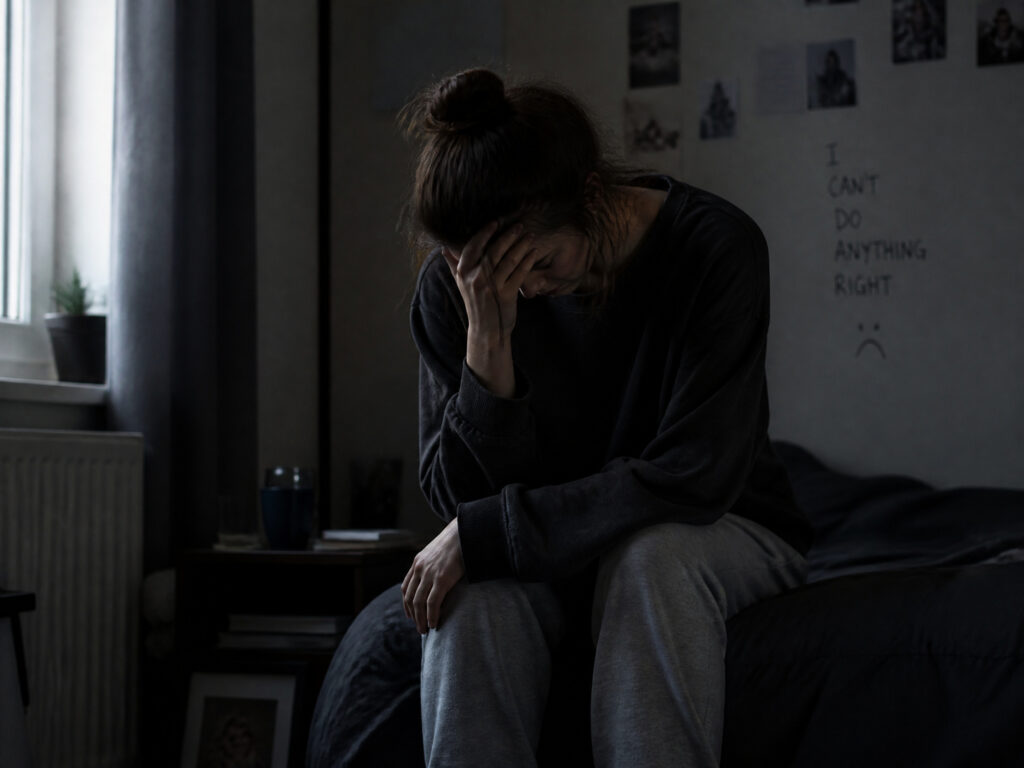
Some people look for therapy for anxiety or therapy for depression. Others only know that something has felt off for a while. Both are good reasons to reach out.
These are some of the concerns people most often bring to sessions. You do not need a name for what you are feeling before you book.
Anxiety
Low mood and depression
Stress and burnout
Self-esteem and confidence
Communication difficulties
Relationship and family problems
Trauma
ADHD and autism
Signs it may be time to see a psychologist
Everyone has hard weeks. It may be worth speaking to a psychologist when a difficulty lasts, keeps returning or starts to shape how you live.
None of these signs mean something is wrong with you. They are signals that you could use support, and it is often easier to work on things before they build up further.
- You have felt anxious, low or on edge for several weeks and it is not lifting on its own.
- Your sleep or appetite has changed and you are not sure why.
- You are avoiding people or tasks you used to manage without much trouble.
- You keep falling into the same arguments or patterns in your relationships.
- You feel stuck after a loss, a breakup or a big change in your life.
- Something that happened in the past still affects how you react today.
- People close to you have said they are worried about you.
Online counselling for teenagers and young adults
The teenage years and early twenties bring a lot at once. Exams and career decisions add pressure, and so do family expectations and life on social media. Many young people also find it hard to explain to their parents what they are feeling.
Online counselling gives teenagers and young adults a place to talk to someone outside the family who will not judge them. Common themes include worry about studies and the future, low confidence and feeling misunderstood at home. For young people with ADHD or autism, sessions also look at how they learn and relate to others, and what helps them cope day to day.
If you are a parent looking for help for your teenager, the free consultation is a good place to ask how sessions would work for them.
Therapy or counselling: not sure where to start?
Has the difficulty been there for a long time?
Is there one problem you need help with now?
Are you a parent who needs support for yourself?
What to expect from an online therapy session
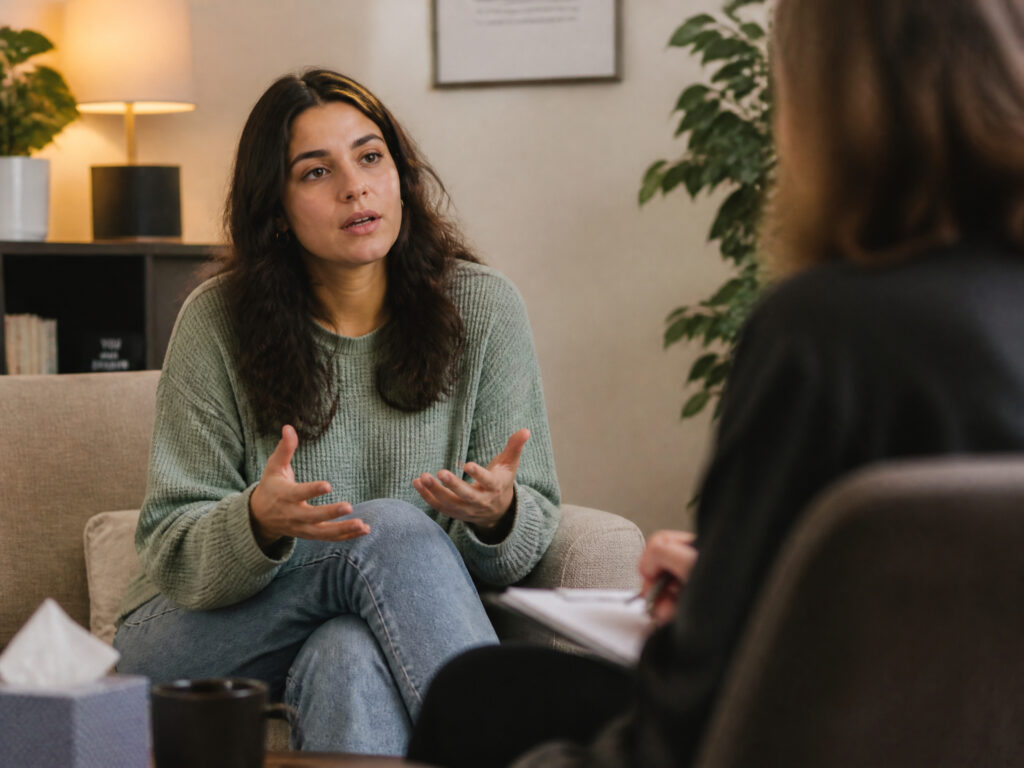
Each session lasts 45 minutes and takes place over a video call. You join from a private space where you can talk without being overheard, using a phone or laptop.
The first full session is mostly about understanding you. You will be asked what brought you to therapy, how it is affecting your daily life and what you would like to be different. You do not need the right words or a neat story. It is fine to begin with “I am not sure where to start.”
After that, sessions follow the goals you agree on together. Part of each session is spent on what has happened since you last spoke, and part on understanding patterns and trying new ways of responding. How many sessions you need depends on what you are working on, and this is discussed openly as you go.
Before your first session, check your internet connection and find a room where you will not be interrupted. Headphones help with privacy if other people are at home. You do not need to prepare notes, although some people like to jot down a few things they want to mention.
How to book an online therapist
Book a free consultation
Talk it through
Begin your sessions

Therapy rooted in self-awareness
Many people reach out after coping on their own for a long time. Sessions start there. Alongside what feels hard, therapy looks at what has helped you get this far and builds on it.
Sessions draw on evidence-based approaches such as cognitive behavioural therapy (CBT), dialectical behaviour therapy (DBT) and acceptance and commitment therapy (ACT), along with trauma-informed and mindfulness-based work. The approach is chosen to fit you, rather than fitting you to a method.
Your background matters too. Family relationships, culture and faith often shape how people understand their difficulties, and sessions make room for that rather than ignoring it.
The aim is self-awareness you can use in daily life. When you understand why you react the way you do, you have more choice in how you respond.

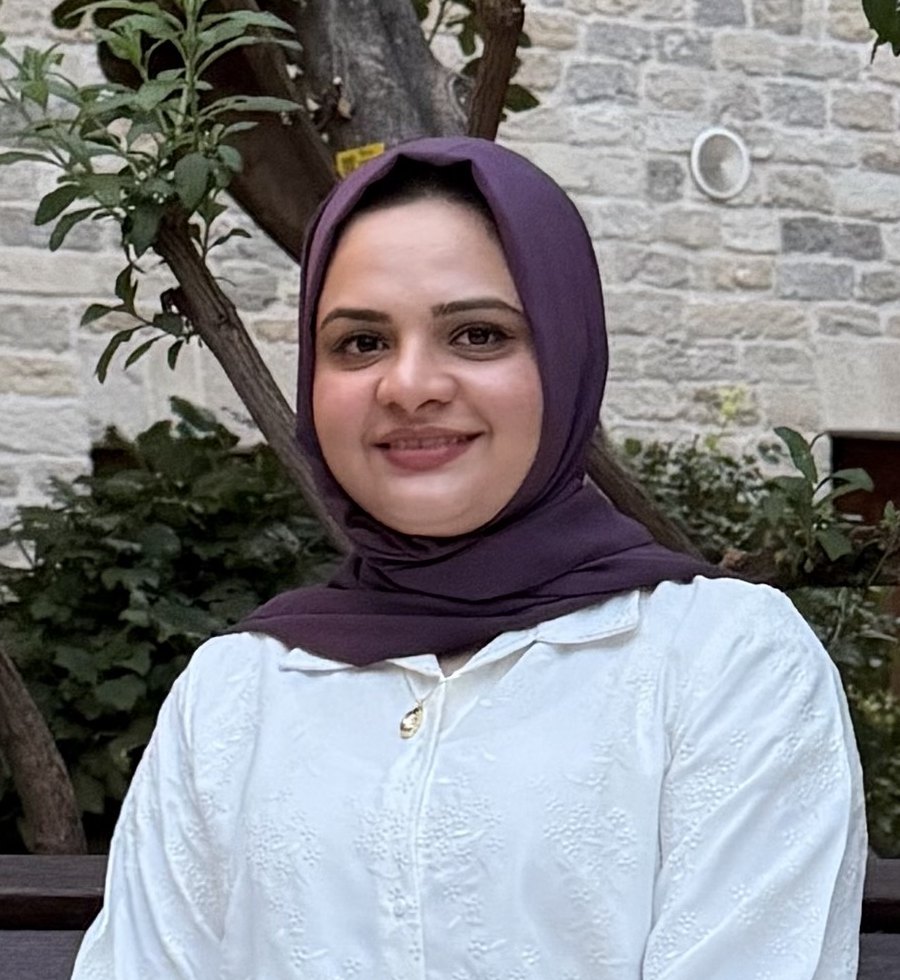
Meet your therapist: Bismah Habib
I am a clinical psychologist and the founder of Khud Aagahi, with an MPhil in Clinical Psychology from Bahria University. I have conducted over 3,000 sessions under supervision and hold the Certified Clinical Trauma Specialist (CCTS-I) credential from the Arizona Trauma Institute.
I have worked with clients facing very different concerns, at different stages of life. Whatever brings you here, you do not need to have it figured out before we talk.
What clients have said
Messages clients sent after their sessions, shared in their own words. Names have been removed to protect their privacy.
Bismah, i was a very reserved person and felt uncomfortable in the beginning of sessions, you know how to break the ice, and develop a ground to talk.
I liked your anti dictatorship approach, like you’d only suggest things, I’m the one to decide. And you’ve helped me alot in making major decisions in my life.
The way you teach or guide regarding something is interesting like someone would be genuinely be interested to to listen you.
You speak very fast, but you’re very kind enough to repeat if i say i didn’t get it.
You don’t mug up the script and say accordingly, but you analyze that what is suitable practice for me, and let me decide.
You try to give different perspectives of a specific situation to guide me on the right track, and i genuinely appreciate that.
At the end I’d say, therapy from you is worth it!
So about the feedback, it was my first time taking therapy, and I was pleasantly surprised by how comfortable and supported I felt. Your gentle guidance and non-judgmental approach helped me break through any initial hesitations I had. I’m grateful for this, and you made me want to continue my journey of betterment.
It was an incredible experience for me. From setting long term goals to accomplishing those goals by the end of last session. All in all it was an incredible experience for me. Each session was a new learning for me. I am really glad that I got to work on myself and improve. Thank you for helping me achieve those goals, thank you for always being empathetic and kind towards me.
Hello! I have noticed a significant change in my sister. She is not that timid, shy and inferior child anymore. She has become outspoken in a positive way, able to express her emotions now. Also she has become very vocal about her opinions. Thank you for your efforts.
Hello! It was quite good experience with you. I like telling and sharing my problems with you and you help me out really well. I feel like someone is listening to me and guide me as a therapist
I think I ought to thank u for always being too kind to me and helpful, I really really appreciate it and I shall always remember your kindness ♡ Thank u and good day 🙂

Why see a psychologist online
Online sessions remove the commute and the waiting room. You join from a room where you feel comfortable, and nobody sees you walk into a clinic. For many people, that privacy is what makes the first step possible.
In Pakistan, seeing a psychologist can still feel like something to keep quiet about, and family members do not always understand why someone wants therapy. Online sessions let you get support on your own terms and decide for yourself who you tell.
It also means you can see a psychologist online even if there are few options near where you live. All you need is a phone or laptop with a steady internet connection and somewhere private to talk.
Online therapy FAQs
Can I talk to a psychologist online?
Yes. You can talk to a clinical psychologist online through a video session on your phone or laptop. At Khud Aagahi, every session is online and lasts 45 minutes, and you can start with a free 15-minute consultation before you book.
Can I find an online psychologist in Pakistan?
Yes. Many clinical psychologists in Pakistan now offer online sessions. Khud Aagahi provides online therapy and counselling with a clinical psychologist to clients anywhere in Pakistan, so where you live does not limit who you can see.
Can therapy sessions be online?
Yes. Therapy sessions can take place online over video, using the same talking therapies used in a clinic, such as cognitive behavioural therapy (CBT). Online sessions suit most teenagers and adults dealing with anxiety, low mood or stress.
Can I get counselling online?
Yes. Online counselling works like in-person counselling, but over video. It suits a current problem such as stress, burnout or a strained relationship. Counselling sessions at Khud Aagahi are 45 minutes long and take place online.
Can clinical psychology be done online?
Yes, most of it can. Assessment interviews and talking therapies such as CBT work well over video. Some situations still need in-person care, including emergencies and work with very young children.
Is online therapy as effective as in-person therapy?
For many common concerns, yes. A 2022 meta-analysis of randomised controlled trials found no significant difference between teletherapy and in-person therapy for depression. Seeing a qualified psychologist and attending regularly matter more than the format.
How much does a therapy session cost in Pakistan?
Private therapy sessions in Pakistan commonly cost between PKR 2,500 and PKR 8,000 for 45 to 60 minutes, depending on the psychologist’s qualifications and experience. At Khud Aagahi, the fee for a 45-minute session is shared during the free 15-minute consultation.
Is there free online therapy available in Pakistan?
Some free options exist, mainly through government hospitals and non-profit helplines, though availability and waiting times vary. At Khud Aagahi, the first 15-minute consultation is free, and regular 45-minute therapy sessions are paid.
What should I expect for a first therapy session?
Your first session is mostly an assessment. The psychologist asks what brought you to therapy, how it is affecting your daily life and what you want to change, and you agree on goals together. You do not need to prepare anything.
Is the first therapy session awkward?
It can feel awkward, and that is normal. Most people are unsure what to say at first. A psychologist is trained to guide the conversation with questions, so you do not need to know where to start. It usually gets easier as you settle in.
Do I really need to go to therapy?
You may benefit from therapy if a problem has lasted several weeks, keeps coming back or is affecting your sleep, work or relationships. You do not need to be in crisis to start. If you are unsure, a free 15-minute consultation can help you decide.
How do you know if you don’t need therapy?
If a difficulty is short-lived, you are coping with it and it is not affecting your daily life, you may not need therapy right now. Support from family and friends is often enough for everyday stress. If that changes, therapy is always an option.
Is it normal to need therapy?
Yes. Needing therapy is common and is not a sign of weakness. People start therapy for stress, anxiety or relationship problems, and for many other reasons. Looking after your mental health is as reasonable as seeing a doctor for a physical problem.
Is it possible to heal without therapy?
Yes. Many people recover from difficult periods with support from family, friends and faith. Therapy helps when a problem keeps returning, feels overwhelming or does not improve with time, and it adds to the support you already have.
Is therapy allowed in Islam?
Yes. Islamic teaching encourages seeking treatment for illness, and many scholars apply this to mental health as well. Therapy does not ask you to give up your beliefs. Sessions respect your faith, and you are welcome to bring it into the conversation.
What is a red flag in therapy?
Red flags include a therapist who breaks confidentiality, dismisses your concerns or pushes their own beliefs on you. Crossing professional boundaries, such as personal or romantic contact, is a serious warning sign. A good therapist explains their qualifications and approach when asked.
Can ChatGPT be my therapist?
No. ChatGPT and other AI tools can give general information, but they cannot replace a qualified therapist. They cannot assess risk or take professional responsibility for your care. If you are struggling, speaking to a clinical psychologist is the safer option.
Need urgent help? Khud Aagahi is not an emergency service. If you or someone else is in immediate danger, contact local emergency services or go to the nearest hospital emergency department.